Nine window film families from the same plant — photosensitive, magnetron sputtered, carbon crystal, nano-ceramic, negative ion, UV400, primary colour, metal and safety. Coated on the same lines as the PPF.
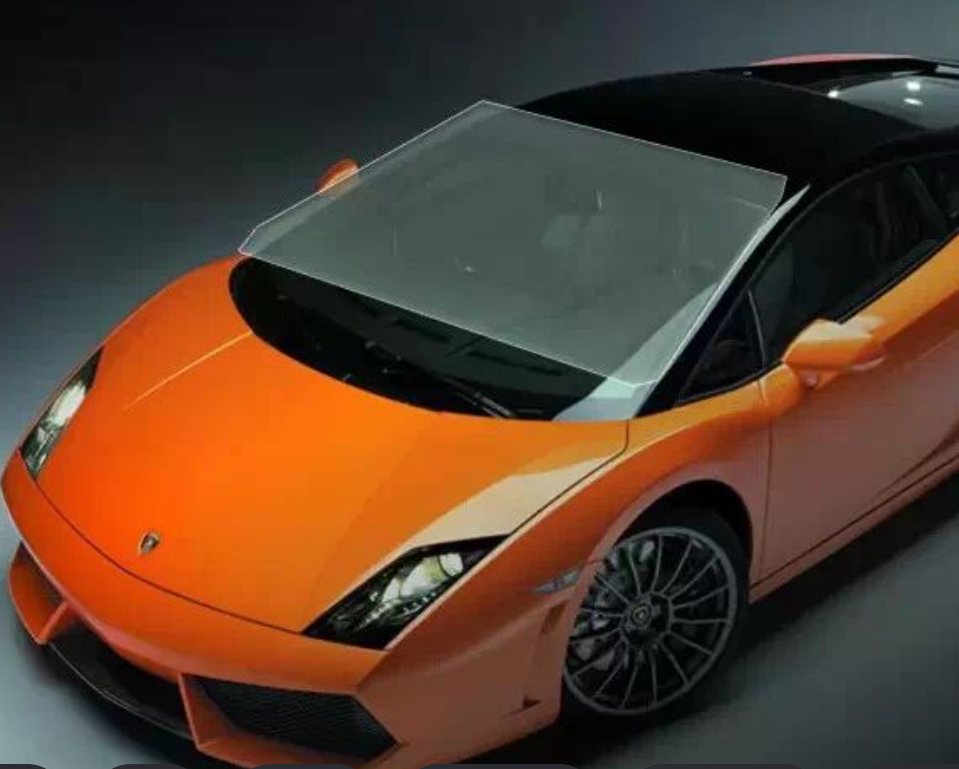
We do not publish optical figures for the glass range on this page, because a solar number without the glass it is fitted to is marketing rather than data. Full spec sheets — VLT, TSER, UV rejection, SHGC and adhesion — are issued on request against the product code.
A photochromic factor darkens the film within five seconds of UV exposure and reverses when the light goes. The weather resistance of that factor is the known weak point of the category; the colour layer here rides on a polyurethane carrier rather than a pressure-sensitive adhesive, with its own radical scavenger and a UV screen above it.
Metal sputtered onto PET base film — single silver, double silver and nickel-chromium. Heat is reflected rather than absorbed. Silver-layer corrosion is the failure mode of the category and the reason most suppliers avoid it; this one is treated for it.
Nano metal oxides and pigments polymerised into the PET itself. Single-layer, so it is cheap and it does not fade — and single-layer is also why so many rear screens blister. The bubble-free rear-screen process is the point here.
Oxides dispersed into the adhesive rather than deposited on the film. Good weather resistance, low reflectivity, no effect on electronic signals. Haze and soft hand-feel are the usual complaints about ceramic film; the dispersion and hardening processes are what answer them.
4–12 mil, three times a normal car film, for glass that has to stay in the frame. Thick film is normally stiff and miserable to install; a thick-film softening process is what makes it behave.
A distributor who buys PPF from one factory and window film from another carries two quality systems, two lead times and two sets of paperwork. Everything on this site comes off the same two lines, under the same IATF 16949 system, with the same roll-code traceability.
VLT, TSER, UV rejection, SHGC and adhesion, issued against the product code.